
TWF Newsroom

What Can I Do if My Building Permit Is Denied?
If you believe your building permit was wrongly denied, one option is to appeal based on a misinterpretation of the zoning code. This approach requires you to identify the exact zoning provision in question and clearly explain how it should be correctly interpreted in the context of your property and plans.

Adverse Possession and Your Rights
Adverse possession allows someone who openly and continuously occupies another’s property—without permission—to potentially acquire legal ownership after a statutory period under New York law. This article explains the strict requirements like hostile, notorious, exclusive possession, tax payment, and claim of right, and highlights how New York’s 2008 statutory amendments modernized the doctrine.

What Is the Most Common Type of Commercial Lease?
Learn about the most common form of commercial lease, its key features, cost responsibilities, and how it affects both landlords and tenants in business property rentals.
What Would Your Argument Be for an Article 78 Proceeding?
Learn how an Article 78 proceeding can be used to contest a government agency’s actions, including claims of legal error, procedural violations, or abuse of discretion.
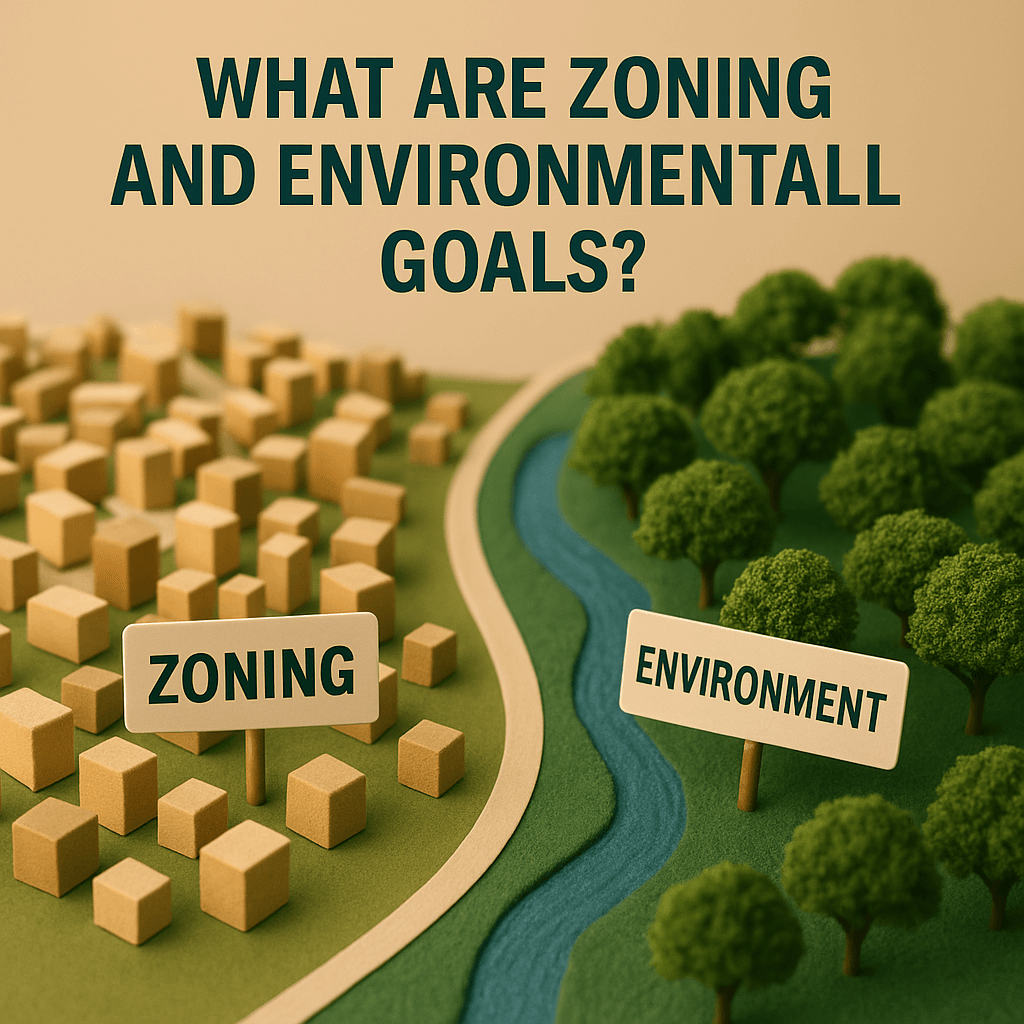
What Are Zoning and Environmental Goals?
Understand how zoning policies and environmental objectives work together to shape sustainable development while protecting public health and ecosystems.

What Due Diligence Provisions Are Outlined in a Letter of Intent?
Understand the critical due diligence terms often included in a letter of intent, including timelines, inspection rights, and contingencies that can safeguard your investment.

What Restrictions Can Apply When Buying or Selling a Property?
Explore the legal and contractual restrictions that can impact a property sale, such as zoning laws, deed restrictions, and environmental regulations, and how to navigate them effectively.

What Is an Article 78 Proceeding?
Explore the purpose and process of an Article 78 proceeding, from filing requirements to potential outcomes, when challenging government decisions in New York.

Am I Able to Sell Solar Energy Back to the Utility?
If your solar panels generate more electricity than you use, New York allows you to export that surplus to the utility and earn credits or reimbursement—typically through net metering programs or specific utility arrangements. Aligned with state policies and local utility rules, this process enables businesses and homeowners to reduce energy costs and support clean power.
What Are the Pros and Cons of Buying Electricity Through a PPA?
Understand how power purchase agreements work, their potential cost savings and stability benefits, and the long-term commitments and risks businesses should consider before signing.

What Is Adverse Possession and Commercial Property?
Understand how adverse possession works in commercial real estate, including the legal requirements, potential defenses, and ways to prevent property disputes.
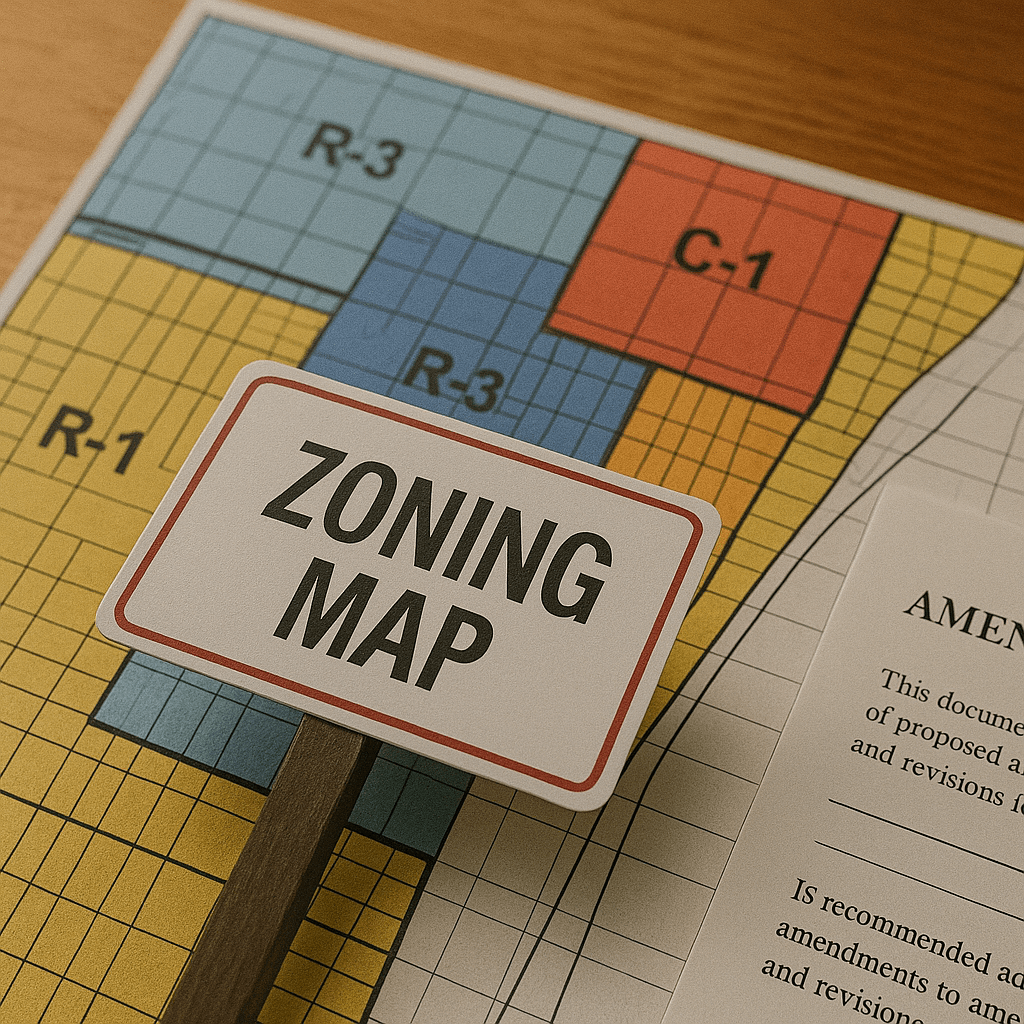
What Are Zoning Maps and Text Amendments?
Gain insight into the role of zoning maps and text amendments in shaping property use, development rights, and compliance requirements for landowners and developers.

Guide to Due Diligence in Energy Projects
Discover the key steps in conducting due diligence for energy projects, from environmental impact reviews to regulatory compliance checks, to safeguard your investment.

Did a New York Agency Deny You?
Learn how to respond if a New York agency denies your request, from understanding the reason for denial to navigating appeals and securing legal representation.
What Is New York’s Environmental Quality Review Act?
Learn the purpose and process of the State Environmental Quality Review Act, including project triggers, environmental assessments, and public participation requirements.

What Is a “No Further Action” Letter?
A “No Further Action” (NFA) letter is a formal declaration from a government agency confirming that you’ve met all cleanup or remediation requirements for an environmental issue—such as a spill or contamination—in New York. It formally closes your file and can be essential when seeking financing, selling property, or protecting against environmental liability.
How Do Shareholder Disputes Arise?
Explore the typical sources of shareholder disputes, including disagreements over company direction, fiduciary duties, and the handling of business assets.

Understanding How a Non‑Conforming Building or Land Can Be Used
A property becomes non‑conforming under New York zoning when a once‑legal use or structure no longer meets newer zoning rules. While these uses and buildings are typically protected, you may face limits on expansion, reconstruction after damage, and rebuilding after substantial destruction.

How to Form a Limited Liability Company (LLC) in New York
Follow a clear process for starting an LLC in New York, from selecting a name to filing Articles of Organization and meeting publication and tax obligations.

Do You Need a Letter of Intent for Commercial Real Estate Deals?
Learn the role of a letter of intent in commercial real estate transactions, including how it sets expectations, clarifies deal terms, and helps avoid disputes.
.png?content-type=image%2Fpng)