
What Is a Ground Lease?
Background
A ground lease is a long-term arrangement in which a landowner leases vacant or underutilized land to a developer who finances, builds, and operates the improvements while the owner retains title to the land. This structure lowers upfront costs for developers, delivers stable, long-term revenue and asset control for owners, and allows municipalities to facilitate development aligned with zoning, affordable housing, and economic growth goals. In New York State, successful ground lease projects also require careful navigation of zoning, environmental review under the State Environmental Quality Review Act (SEQRA), and construction-related impacts from infrastructure capacity to site remediation and community considerations.
Table of Contents
Basics and Key Concepts
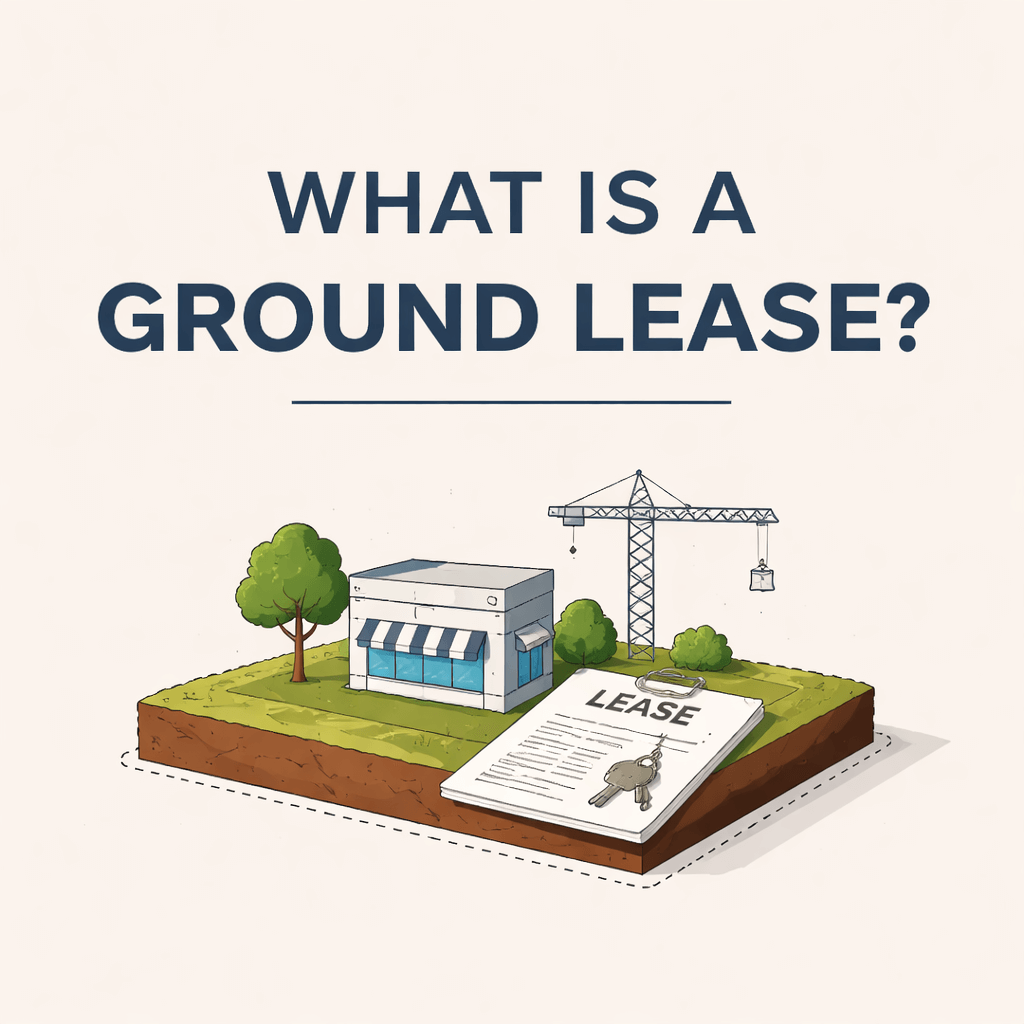
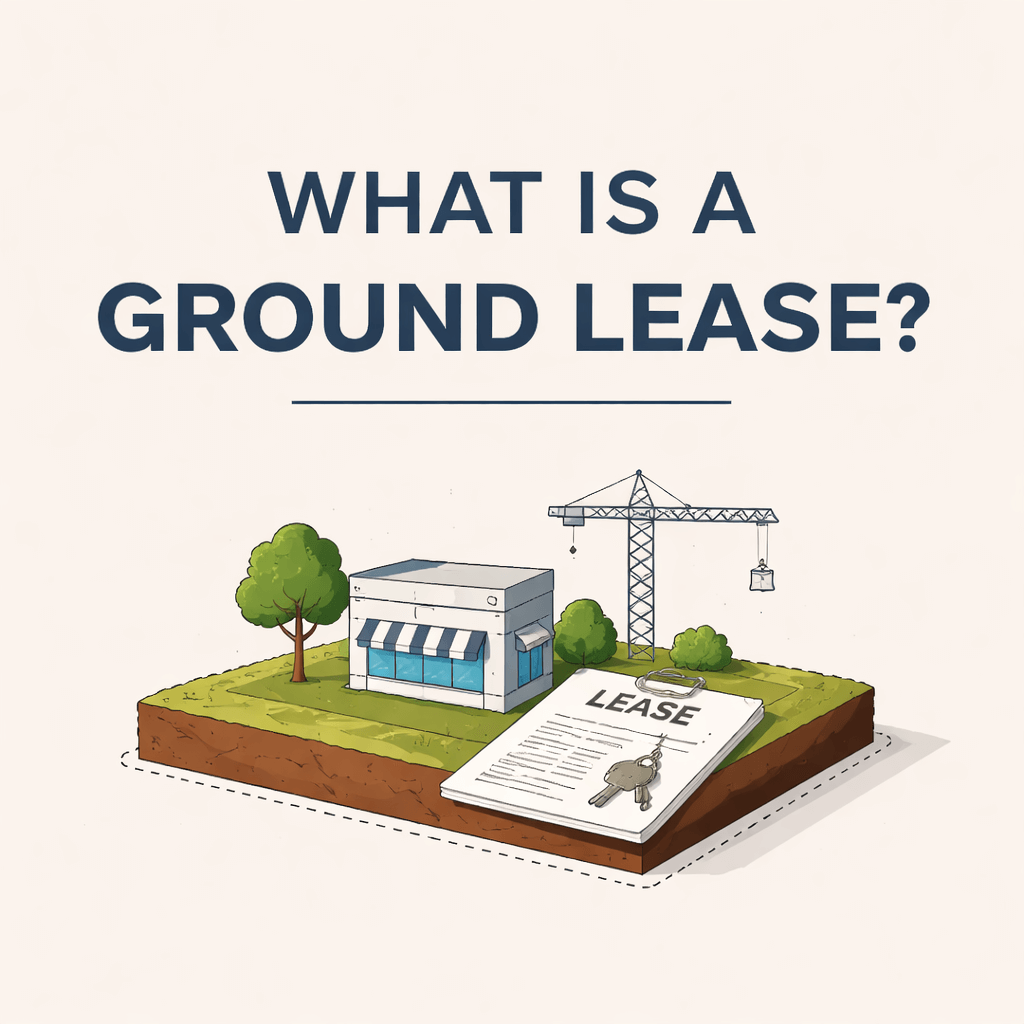
A ground lease is a long-term legal arrangement in which a landowner leases land to a tenant who finances, builds, and operates the improvements, while ownership of the land—and ultimately the improvements thereon - remains with the landowner. Unlike a typical commercial lease, where the landlord owns a completed building and leases finished space for a shorter term, ground leases often span 50 to 99 years; and shift development and operational responsibility to the tenant. This structure provides landowners with durable income and long-term control without relinquishing title, while allowing developers to unlock major projects without the upfront cost of land acquisition. When thoughtfully drafted, ground leases are ideal for complex, long-term developments such as mixed-use projects, institutional facilities, and the redevelopment of vacant or underutilized sites, with key terms that address rent escalations, development milestones, financing, regulatory compliance, environmental responsibility, and reversion of improvements.
Considerations in New York
Zoning and regulatory requirements play a critical role in shaping what a ground lease tenant can build and how development risk is allocated. In New York, projects may trigger SEQRA review and often require site plan approval, permits, variances, and agency sign-offs related to infrastructure, environmental conditions, historic resources, or waterfront regulations. Just as importantly, a well-drafted ground lease allocates responsibility for environmental conditions, remediation, construction, and long-term maintenance, protecting both the landowner and the tenant and avoiding costly disputes in the future.
When to Contact The West Firm, PLLC
Ground leases in New York present complex legal, regulatory, and financial considerations, and experienced counsel can be the difference between a project that advances smoothly and one stalled by avoidable risks. A proactive legal strategy identifies zoning and SEQRA issues early, streamlines permitting and approvals, and aligns timelines, financing, and construction costs. Thoughtful guidance protects developer investment, preserves landowner value, and supports policy-aligned development outcomes.
When structuring a ground lease, key issues to address include:
SEQRA considerations - whether discretionary approvals will require environmental review and mitigation;
Permitting obstacles - variances, special permits, or agency sign-offs that may impact project feasibility;
Project delays - entitlement timelines, community review, or construction constraints;
Enforcement risks - zoning compliance, lease defaults, or regulatory violations;
Ownership of improvements - control, maintenance, and reversion rights over ground lease improvements; and
Long-term financial obligations - rent escalations, taxes, and financing constraints.
At The West Firm, PLLC, we help developers and property owners craft ground leases that unlock value, manage risk, and support long-term success. Contact our team to get started.
-
A ground lease can trigger SEQRA review when a project presents environmental impacts, making early planning essential. A well-structured ground lease anticipates environmental conditions, streamlines regulatory review and approvals, and clearly allocates mitigation responsibilities - keeping projects compliant, predictable, and on track..
-
Long-term ground leases often intersect with zoning considerations, including permitted uses, density, height, nonconforming conditions, and future zoning changes. A strategically drafted lease anticipates these issues and builds in compliance strategies that protect development rights, preserve flexibility, and reduce long-term risk.
-
Developers should clearly define ownership of improvements during the lease term, how those improvements revert at expiration, and how ownership impacts financing and operations. A well-crafted ground lease aligns construction rights, financing structures, and long-term project control—giving developers and landowners the certainty and flexibility needed to maximize value over the life of the project.





.png?content-type=image%2Fpng)