
Understanding Power Purchase Agreements in New York
Background
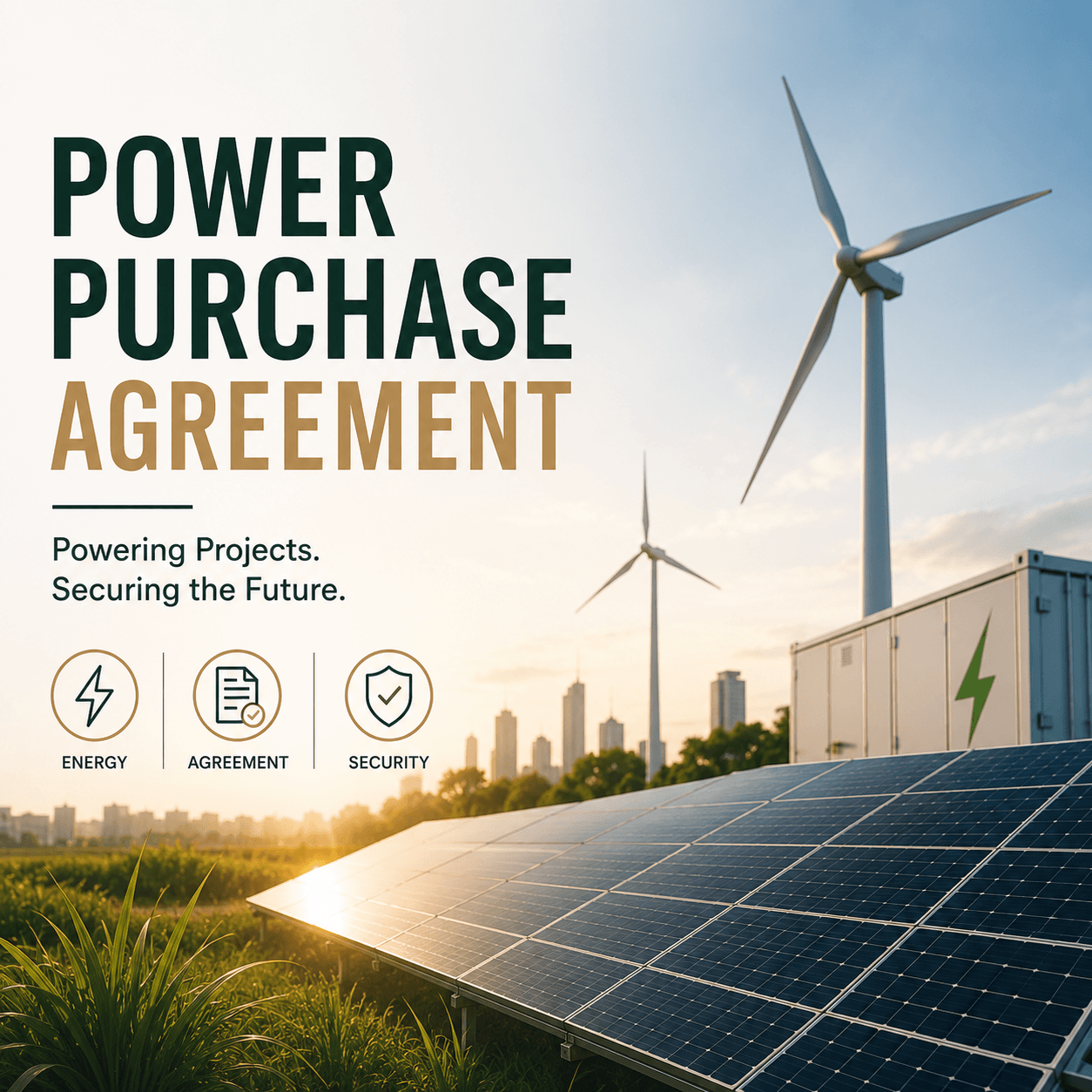
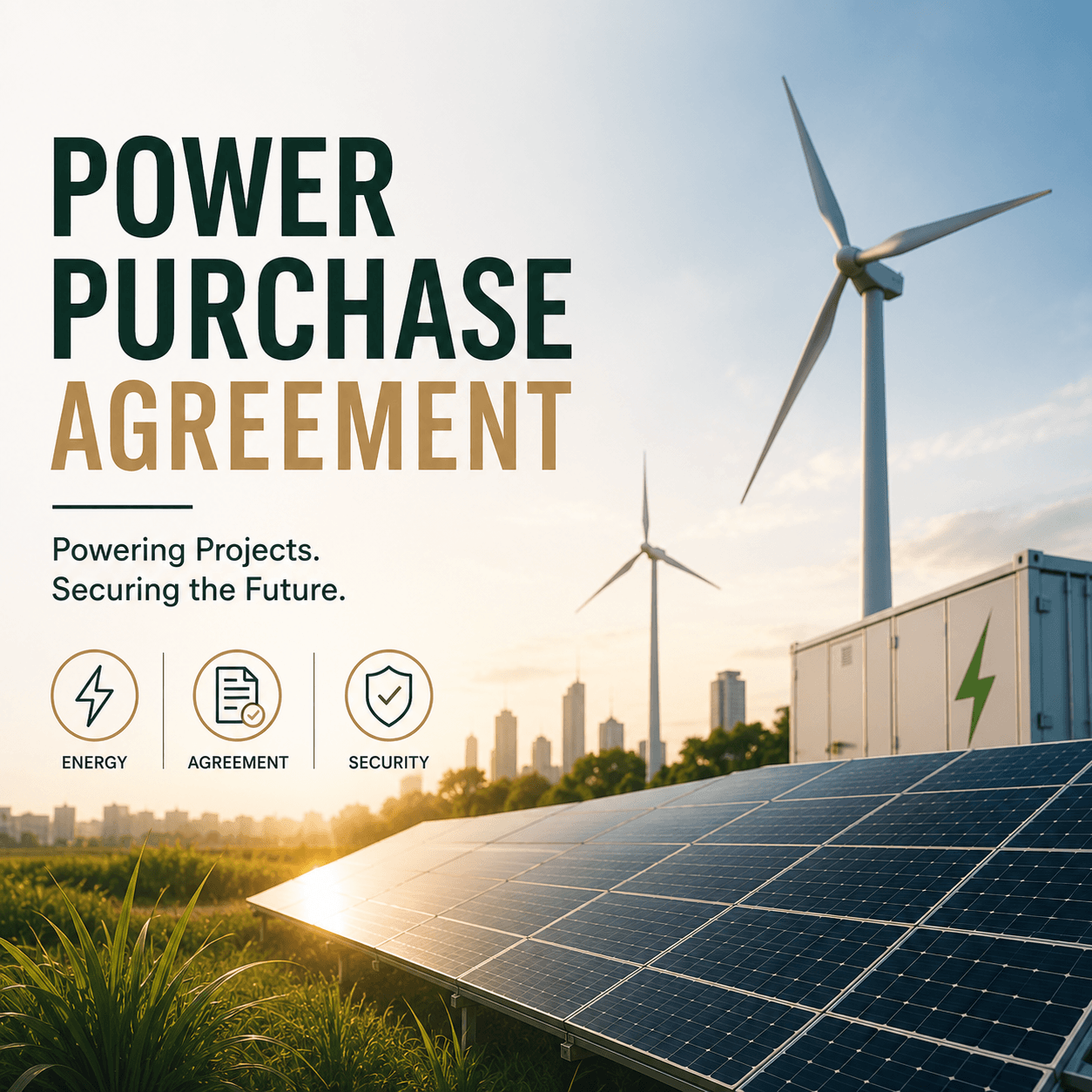
A Power Purchase Agreement (PPA) is an agreement between an entity seeking to purchase renewable energy and a third party who develops, builds, and maintains a renewable energy system. Oftentimes, the energy-generating system is installed on the purchaser’s property, but it can also be from an external site. PPAs are a multi-year contract that allow for the customer to receive stable and low-cost electricity for no upfront cost and enable the owner of the energy system to sell the surplus. The PPA allocates rights, risks, and revenue between the project owner that produces the power and the entity that commits to buying it over time.
In New York, PPAs operate within a regulatory framework, this framework includes oversight from the New York State Public Service Commission and New York Independent System Operator as well as compliance with state energy policies. PPAs are critical components of project development in New York State; PPAs provide a predictable revenue stream that lenders and investors require to finance renewable energy and battery storage projects. Without the security that a PPA provides, many clean energy projects would struggle and fail to find funding and advance through development.
Table of Contents
Core Structure of a Power Purchase Agreement
A PPA typically involves three main parties: the project developer or generator that owns and operates the energy facility, The customer or offtaker that hosts the system, and the Special Purpose Entity (SPE). While the specific structure depends on the project type, the core function of the PPA is to establish the commercial framework for the sale of power. PPAs define the term of the contract, spanning anywhere from 6-30 years, and set forth pricing terms. Pricing may be fixed, use annual escalators, or based on market prices. Regardless of which option is used, the structure directly decides revenue certainty and risk between the parties.
Besides pricing and term length, the PPA also decides delivery obligations, performance guarantees, and the allocation of risks in operation. The PPA also determines financial feasibility because investors rely on the contracted revenue stream to evaluate the project. PPA terms are often closely negotiated to align with financing requirements and support the economic viability of the project.
Regulatory and Compliance Considerations in New York
In New York, enforceability and structure of PPAs are largely determined by state regulatory oversight, most profoundly where utility procurement or retail sales are involved. The New York State Public Service Commission may also be required to review and approve projects based on their configuration and the offtaker. Projects must also satisfy interconnection and grid compliance requirements set by the New York Independent System Operator or relevant local utility.
Another critical layer tied to project development is environmental review. New York energy facilities often trigger review under the New York State Environmental Quality Review Act (SEQRA), which evaluates potential environmental risks and impacts before construction can begin. The SEQRA review can heavily influence financing schedules and risk allocation within the PPA. Beyond the environmental concerns, the PPA is still subject to zoning approvals, special use permits, and building permits that must be approved by the municipality. Land use constraints largely determine project feasibility and must be coordinated with PPA timelines to advance project progress in a timely manner.
Legal Risks and When to Engage Counsel
A PPA functions as the central revenue contract for energy projects and concentrates many of the project’s most significant financial and legal risks. If a project fails to reach commercial operation it will result in revenue loss and potential delay damages for the developer; in some cases, the project the project may be scrapped and the agreement terminated. A well drafted PPA will address these issues and contain terms governing default scenarios such as construction delays, failure to meet performance standards, and insolvency. Well drafted PPAs also contain terms for when disputes arise over pricing adjustments. Without terms that address these kinds of issues, conflict can and often does arise between the parties. It is important to involve legal counsel when drafting a PPA and without legal oversight from the drafting stage, it is far more likely that legal intervention will be necessary further down the line. In order to avoid financial risk and potential liability, it is prudent to involve legal counsel in the drafting of initial term sheet, the financing stage, and the pre-construction phase.
It is also crucial to carefully coordinate the PPA with other project agreements. The PPA terms often intersect with engineering, procurement, and construction contracts. Grid interconnection agreements also need to be lock-step with the PPA to avoid liability exposure and project delays. Parties generally evaluate several key issues when drafting, negotiating and reviewing the PPA:
Pricing structure
Fixed, escalator, or market-based
Force majeure allocation
Responsibility for weather events, supply chain issues, or grid curtailment
Regulatory approval contingencies
Often times based on oversight from agencies such as the New York State Public Service Commission
Delay damages exposure
Based on missed commercial operation or delivery deadlines
Counterparty credit risk
Particularly when long-term payment obligations span for decades
Having clear guidelines on these scenarios from the outset of the project can greatly improve the efficiency and expedite the timeline for commercial operation of the project. If you need help setting up a PPA, The West Firm can help you draft or review at any stage of the project. Our firm is highly qualified and ready to ensure that your PPA is tailored to your needs.
-
PPAs are customizable and risk allocation is determined by the terms of the agreement. Conditions precedent, milestone deadlines, and termination rights often outline risk allocation in the event of regulatory approval delays. If you have any questions for your specific circumstances, we can review your agreement and help determine your risk allocation.
-
A municipality’s permitting decision is often a condition precedent to a PPA and can directly impact enforceability of the agreement. A denial or significant delay can trigger termination rights or a contractual extension based on the individual agreement.
-
This is largely determined by the terms of the PPA. Generally, the non-defaulting party can exercise termination rights, pursue recovery of damages, or seek to enforce payment and/or performance obligations. It is best to seek legal counsel to advise what remedies may be available under the specific PPA.



.png?content-type=image%2Fpng)