Understanding the Clean Water Act and Its Legal Purpose
Background
The Clean Water Act (CWA) is the cornerstone federal statute governing the protection of the nation’s waters, establishing the framework that shapes how development, infrastructure, and business operations move forward across the country. Enforced in part by the United States Environmental Protection Agency (EPA), the CWA regulates discharges to rivers, streams, wetlands, and other protected waters and requires federal and state permits for a wide range of activities that can affect them.
For developers and property owners, the CWA can be a threshold issue in determining project feasibility, timing, and design. For businesses, it directly influences operational compliance, wastewater and stormwater management, and expansion planning. Municipalities likewise face significant obligations relating to stormwater systems, wastewater treatment infrastructure, and land use approvals.
In New York, the CWA compliance frequently involves State Pollutant Discharge Elimination System (SPDES) permits, ongoing monitoring and reporting, and coordination with state regulators. Missteps, whether it be during construction, property acquisition, or ongoing operations, can result in enforcement actions, project delays, civil penalties, and reputational risk.
Navigating these requirements strategically is essential. Early assessment, thoughtful permitting, and proactive compliance planning can help avoid costly disruptions while positioning projects and operations for long-term success.
Table of Contents
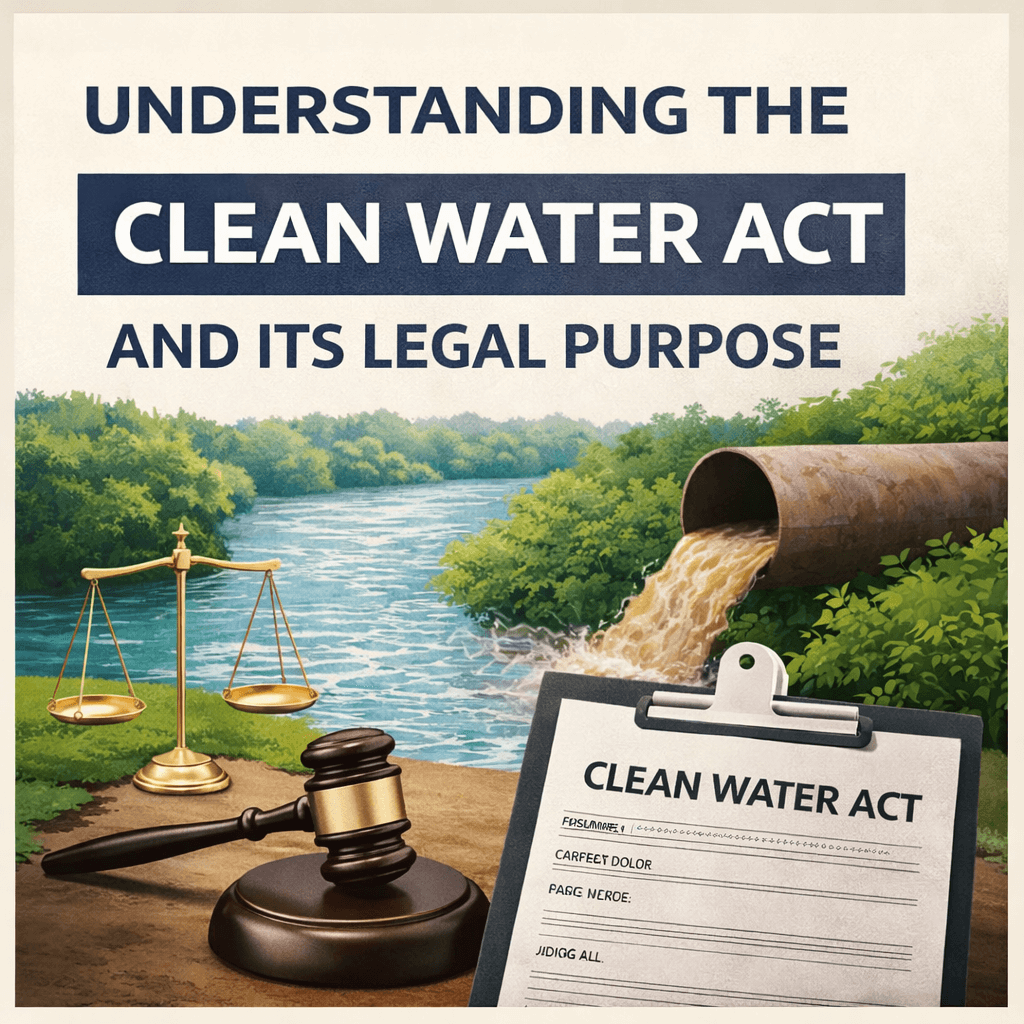
What the Clean Water Act Covers
The CWA establishes the federal framework regulating discharges of pollutants into “waters of the United States”, a broadly defined term that can include rivers, streams, lakes, wetlands, and other water features commonly encountered on or near development sites. “Pollutant” and “discharge” are defined expansively to encompass activities such as sediment runoff, fill placement, stormwater releases, wastewater flows, and construction-related impacts conveyed through pipes, outfalls, and municipal storm systems.
The CWA is enforced at the federal level by the EPA, with primary administration in New York delegated to the New York State Department of Environmental Conservation (NYSDEC). As strengthened by the Water Quality Act of 1987, the statute expanded permitting programs, enforcement authority, and water quality standards designed to protect downstream uses.
For developers, property owners, and operators, this framework directly affects routine activities, including, but not limited to, site clearing and grading, utility crossings, and stormwater management for new impervious surfaces. Strategic permitting and proactive compliance are essential to managing risk, avoiding delays, and keeping projects moving forward.
Clean Water Act Compliance in New York
In New York, the CWA compliance is not a side issue; it is embedded in the core of the development approval process. Federal requirements are implemented through state-administered permitting programs, most commonly through State Pollutant Discharge Elimination System (SPDES) permits overseen by NYSDEC. Projects involving soil disturbance, work in or near wetlands or streams, utility installations, or stormwater and wastewater discharges frequently require advance permit coverage.
Seemingly small missteps can carry outsized consequences. Assuming a project is too minor to trigger permitting, relying on outdated wetland delineations, failing to secure stormwater coverage before breaking ground, or overlooking ongoing permit conditions can quickly escalate into enforcement actions. The result may include stop-work orders, delayed certificates of occupancy, withdrawn approvals, and costly project disruptions.
Proactive planning and early regulatory strategy are key to keeping projects on schedule and minimizing risk.
When Clean Water Act Issues Become Legal Problems
CWA compliance challenges often surface at the worst possible time, when regulatory uncertainty or agency scrutiny threatens a project’s approvals, schedule, or financing. That is why developers, property owners, and businesses should engage The West Firm, PLLC at the earliest stages of design and due diligence to identify, evaluate, and resolve potential issues proactively.
Common CWA risks include unexpected permitting delays arising from jurisdictional determinations, enforcement actions tied to alleged unpermitted actions, stop-work orders, and compliance conditions that disrupt construction schedules, loan closings, or investor commitments. What may begin as a technical permitting question can quickly escalate into disputes involving regulators, contractors, lenders, or municipalities, which places both the project’s timeline and capital at risk.
Early involvement of experienced environmental counsel provides a strategic advantage; by managing agency engagement, aligning permitting strategy with project milestones, and addressing compliance risks before they become violations, The West Firm, PLLC helps clients preserve approvals, maintain project momentum, and protect against unnecessary delay and financial exposure.
-
Engaging experienced legal counsel at the first sign of permitting uncertainty, agency scrutiny, or potential noncompliance is critical; particularly when a project is facing delays, enforcement inquiries, or jurisdictional disputes that could jeopardize approvals, financing, or long-term viability.
-
Yes, CWA violations can trigger immediate stop-work orders, aggressive enforcement actions, and permit suspensions that stall construction, disrupt financing, and, in some cases, bring an entire project to a standstill until costly issues are resolved.
-
CWA compliance is often a gateway requirement for state and local land use approvals. Unresolved federal or state water issues can derail zoning determinations, stall site plan approvals, and block certificates of occupancy, placing project timelines and investments at serious risk.
Connect with our team early and keep your project moving forward with confidence





.png?content-type=image%2Fpng)