
A How-To Guide: Navigating Permits and Inspections for Construction Projects
Background
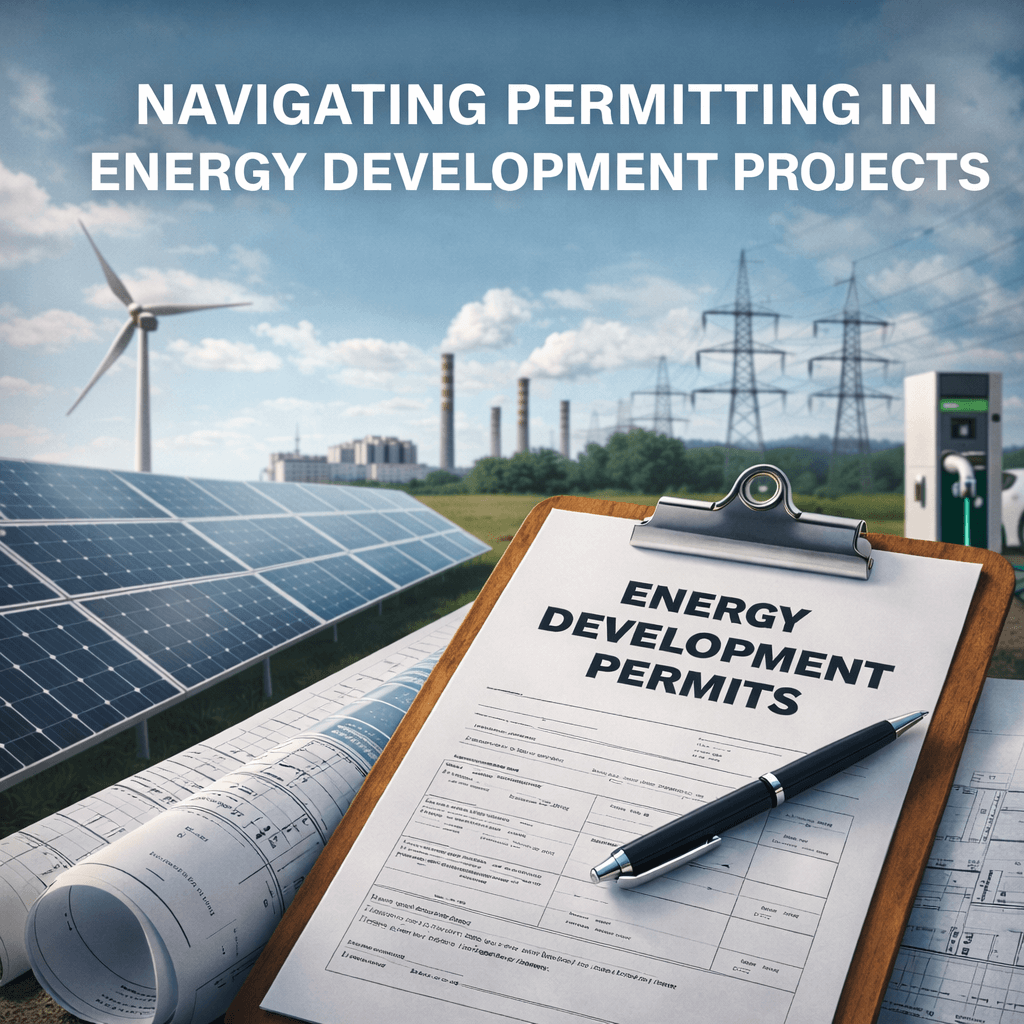
Permitting is the foundation of successful energy project development. Whether you are developing solar, biomass, hydroelectric, nuclear, battery storage or EV-charging facilities, or upgrading commercial energy systems, the proper permits ensure your project is designed, built, and commissioned in full compliance with applicable statutes, regulations, and local ordinances. These approvals safeguard structural integrity, electrical safety, land-use compatibility, and environmental performance, which are critical considerations for modern energy infrastructure. Through inspections at every key milestone, from site preparation and foundations to equipment installation, grid interconnection, and final commissioning, permitting keeps your project on track and protected. Overlooked permits can lead to costly delays, stop-work orders, fines, or even system removal, which is why a proactive, precise permitting strategy is essential to delivering a compliant, on-time, and fully operational energy project.
Table of Contents
New York’s Permitting Process
In New York, energy development projects move through a sophisticated, multi-layered permitting landscape that spans state, federal, and local authorities. Depending on a project’s size, wattage capacity, and transmission scope, developers may need approvals from the New York State Public Service Commission (NYS PSC) or even the Federal Energy Regulatory Commission (FERC). Environmental considerations under the New York State Environmental Quality Review Act (SEQRA) may also trigger oversight by the New York State Department of Environmental Conservation (NYSDEC) or the U.S. Army Corps of Engineers, among other agencies. At the same time, local municipalities often require building permits and site plan approvals. With multiple agencies involved, each with distinct standards and timelines, the permitting process can quickly become complex. Successfully advancing a project requires a coordinated strategy that anticipates regulatory interplay, streamlines approvals, and keeps development moving efficiently from concept to completion.
How Can The West Firm Assist
Our attorneys partner with energy developers to confidently navigate regulatory complexity from initial design through final commissioning. We provide strategic guidance on regulatory and code interpretation, proactively engage with agencies and municipal officials to address project concepts, zoning concerns, including non-conforming use issues, and prepare comprehensive permit and approval applications to keep the process efficient and on track. Beyond permitting, we remain actively involved—challenging unfavorable inspection results, managing appeals or stop-work orders, and resolving disputes that threaten project timeliness. If obstacles arise, we protect your legal position, mitigate risk, and keep your project moving forward. Contact us to discuss how we can support your project’s success.
Frequently Asked Questions
-
Starting construction without the required permits can trigger immediate stop-work orders, fines, and costly remediation or removal of installed systems. These setbacks can significantly delay commissioning and increase project costs, making an early permitting strategy essential to keeping your project on schedule and protected.
-
A failed inspection can halt progress, require corrective work, and delay key milestones if not addressed promptly and strategically. With appropriate guidance, inspection issues can often be resolved efficiently through targeted remediation, re-inspection, or appeals, thereby minimizing downtime and preserving project momentum.
-
SEQRA review can significantly extend permitting timelines by requiring detailed environmental analysis and agency coordination before approvals are issued. Proactive planning and early engagement can streamline the process, reduce surprises, and facilitate the efficient progress of large-scale energy projects.



.png?content-type=image%2Fpng)